



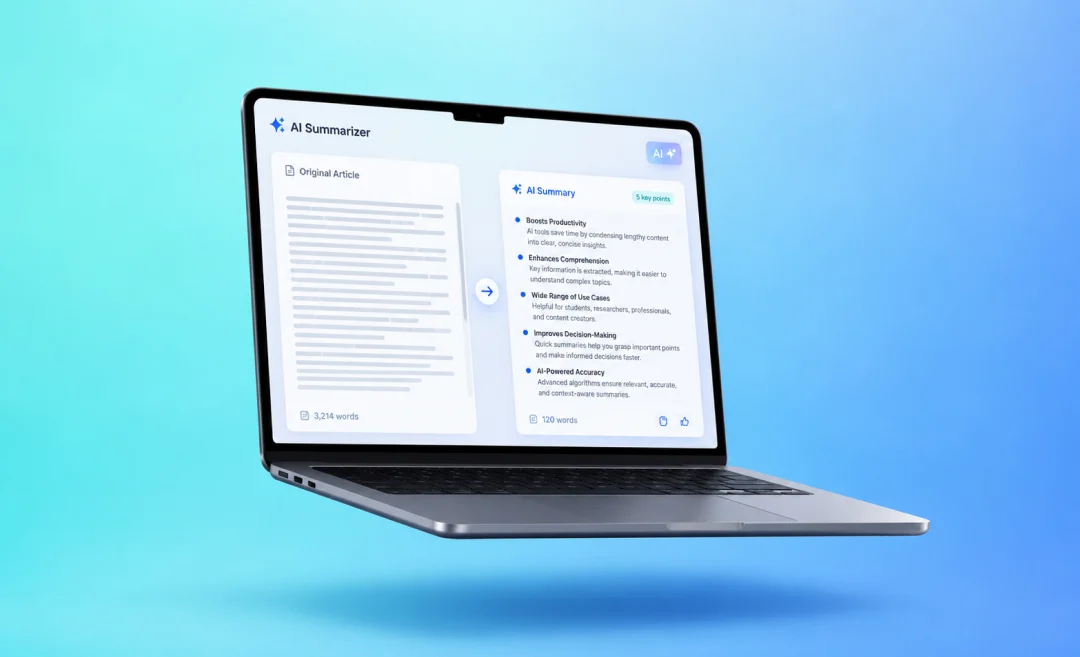
Finding the best AI to summarize long articles can save you a lot of time. Long blog posts, research papers, reports, newsletters, and whitepapers often contain useful information, but reading everything in full is not always possible.
AI summarizer tools help you turn long content into short, clear notes. They can show you the main ideas, key points, and important details before you decide whether to read the full article.
Best AI to Summarize Long Articles

The best tool depends on what you need. Some AI summarizers are good for web articles. Others are better for academic papers, scientific research, or mixed content like meetings, emails, and documents.
Below are the best AI tools to summarize long articles.
1. Summary AI
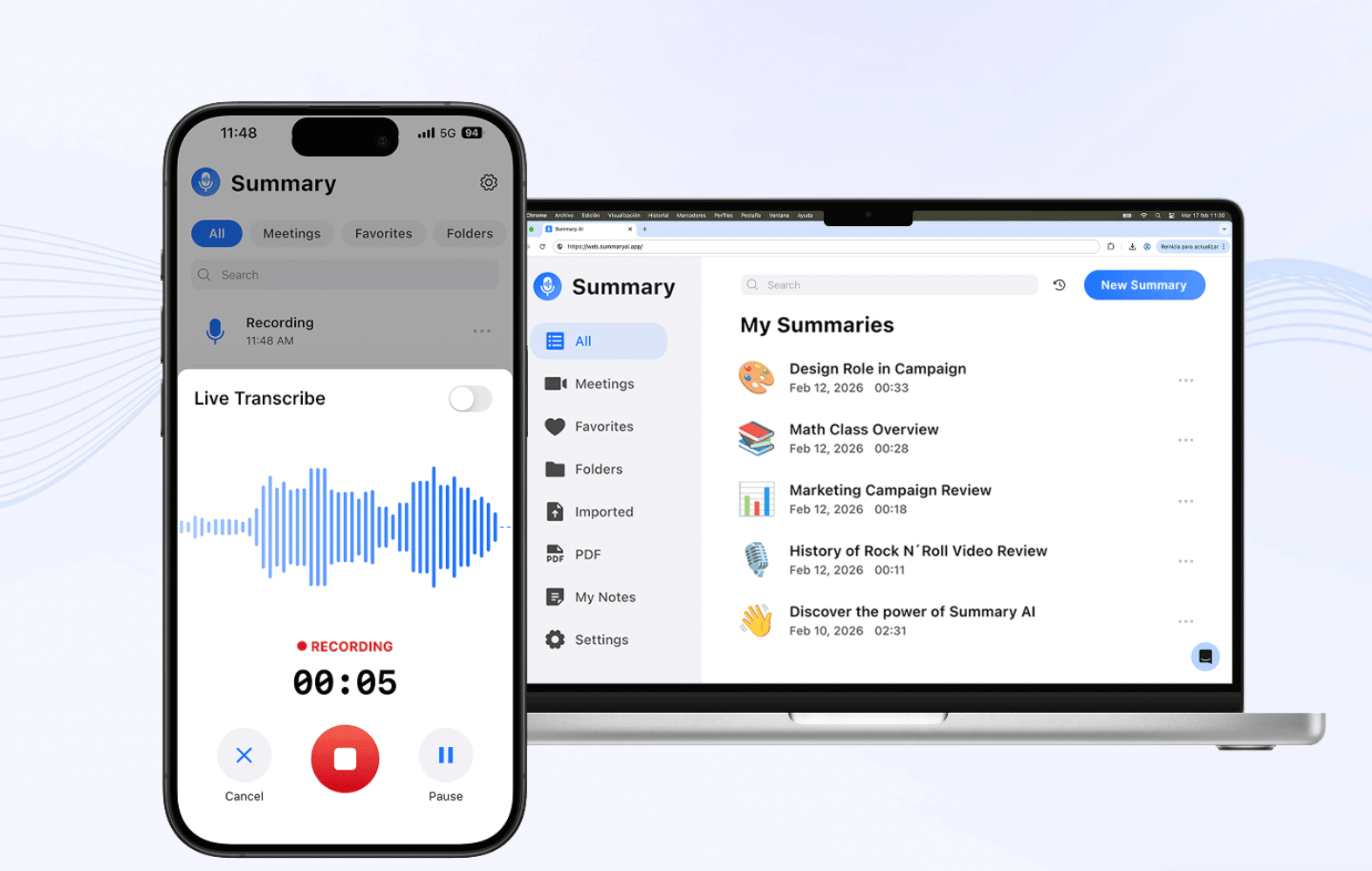
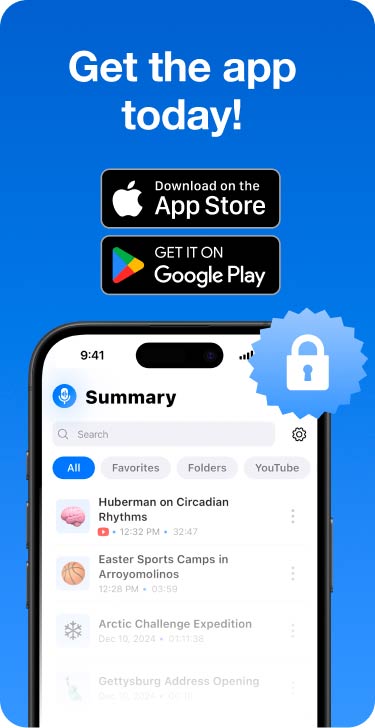
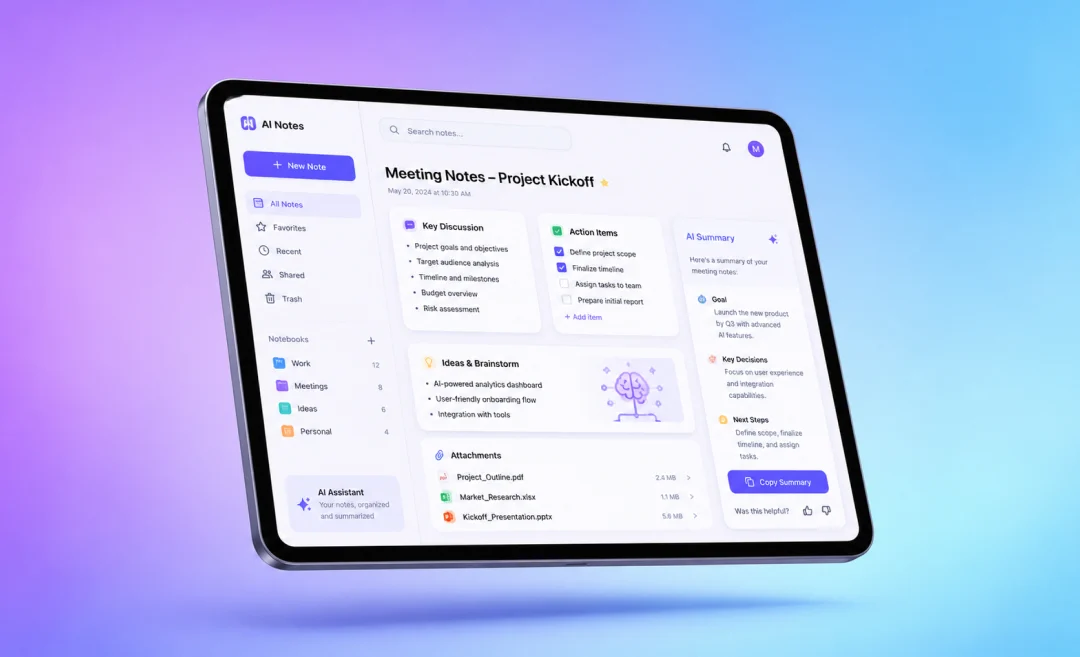
Overview: Summary AI is best known as an AI note taker tool for meetings, calls, and spoken content. It helps users make summaries and turn meetings, lectures, interviews, and conversations into clear notes.
But Summary AI also has a free article summarizer, which makes it useful for long articles. You can paste long articles into the tool and get a shorter version with the main ideas. This is helpful if you want to quickly understand a blog post, report, essay, or long newsletter without reading the whole thing.
Summary AI is a good choice if your work includes more than just articles. For example, you may need to summarize meetings, email threads, internal documents, and online content. In that case, Summary AI can fit into your workflow.
Pros
- Good for long articles and mixed content.
- Has a free text summarizer.
- Strong for meeting summaries and spoken content.
- Useful for identifying key points and action items.
Cons
- Main product focuses on summarizing meetings
- You should still review summaries for important or technical content
Best for
People who want one tool for summaries of articles, meetings, calls, and other content.
2. TLDR This
Overview: TLDR This is a simple AI summarizer for online articles. Its main purpose is to turn long articles into short “TL;DR” summaries.
You can paste a URL or text into the tool and get a shorter version. This makes it useful when you want to understand an article quickly before deciding whether to read the full thing.
TLDR This is a good option for news articles, opinion pieces, blog posts, and general web content.
Pros
- Very easy to use
- Good for online articles and blog posts
- Helpful when you want a fast summary
- Works well for quick reading decisions
Cons
- Not the best choice for academic papers.
- May miss nuance in complex articles.
Best for
People who read many online articles and want quick summaries.
3. QuillBot Summarizer
Overview: QuillBot Summarizer is a popular tool for students, writers, bloggers, and content creators. It can summarize long text into a paragraph or key sentences.
This makes it useful if you want more control over the summary format. You can use it to shorten articles, essays, reports, and study materials.
QuillBot also has other writing tools, such as a paraphraser and grammar checker. This is useful if you want to rewrite or polish the summary after generating it.
Pros
- Easy to use
- Has different summary styles
- Good for students and writers
- Also has other writing tools
- Useful for articles, essays, and more
Cons
- Not focused only on long article summaries
- May not be ideal for academic research papers
- Complex arguments may need manual review
Best for
Students, writers, and bloggers who want flexible article summaries.

4. Scholarcy
Overview: Scholarcy is one of the best AI tools for summarizing academic articles and research papers. It is built for long, complex documents that have methods, results, references, and technical details.
Instead of only giving you a short paragraph, Scholarcy can create summary cards for you to review. These can show the main findings, methods, key points, and references.
This is very helpful if you need to scan many papers for a thesis, literature review, research project, or university assignment.
Pros
- Great for academic papers
- Creates simple summaries
- Highlights methods, findings, and key points
- Useful for research and study notes
- Good for reviewing many papers quickly
Cons
- Less useful for casual blog posts or news articles
- Some features may require a paid plan
- Still need to check for important details
Best for
Students, researchers, and academics who need to summarize research papers.
5. SciSummary
Overview: SciSummary is made for scientific and technical articles. It helps users understand research papers, scientific studies, and complex technical documents.
This tool is useful because normal summarizers may sometimes struggle with scientific language. SciSummary is designed to keep the main scientific meaning while making the text easier to understand.
It is a good choice for people who need to scan research papers and decide which ones are worth reading fully.
Pros
- Good for scientific content
- Useful for technical and research papers
- Helps explain methods and results
- Good for STEM students and professionals
- Saves time when reviewing many papers
Cons
- Less useful for general web articles
- Not the best option for casual reading
- Important details still need checking in the original paper
Best for
Scientists, engineers, medical professionals, and STEM students.
6. Kroolo AI Summarizer
Overview: Kroolo AI Summarizer is useful for people who want summaries inside a productivity workflow. It can help summarize reports, articles, project documents, and internal content.
This makes it a good option for teams that want to turn long information into short updates, task notes, or project summaries.
Kroolo is not only a summarizer. It is part of a larger productivity system, so it works best if you already use or need project and task management features.
Pros
- Good for work documents and project content
- Can turn long text into shorter updates
- Useful for teams and professionals
- Works well inside productivity workflows
- Can help connect summaries with tasks
Cons
- Less focused on casual article reading
- Not specialized for academic papers
- Best value depends on whether you use Kroolo’s other features
Best for
Teams and professionals who want article summaries inside a productivity system.
7. Paperpal AI Summarizer
Overview: Paperpal AI Summarizer is designed for academic and professional writing. It can help summarize long reports, research papers, manuscripts, and formal documents.
This tool is useful if you work with structured writing and need a clear overview. For example, you can use it to summarize a whitepaper, academic article, or technical document.
Paperpal is also helpful for people who need summaries in a more formal or professional tone.
Pros
- Good for academic and professional documents
- Useful for research papers, reports, and manuscripts
- Can help create clear summaries for formal writing
- Works well with other writing and editing tools
Cons
- Not mainly built for casual blog posts
- May not be necessary for web articles
- Important documents still need human review
Best for
Academic writers, reviewers, students, and professionals working with formal documents.

8. ChatGPT
Overview: ChatGPT can be one of the best free AI apps or tools to summarize long articles because it is flexible. You can paste an article and ask for the summary in many different formats.
For example, you can ask for a 5-sentence summary, a one-paragraph summary, a summary for a a certain role, or a summary with pros and cons.
You can also ask follow-up questions. This makes ChatGPT useful when you do not only want a summary, but also want to understand the article better.
Pros
- Very flexible
- Can summarize in many formats
- Allows follow-up questions
- Good for explaining complex ideas in simple English
- Useful for articles, reports, and documents
Cons
- Input length limits
- Can sometimes hallucinate or over-simplify
Best for
People who want flexible summaries and follow-up explanations.
9. Claude
Overview: Claude is another AI assistant that you can use to summarize long articles. It is especially useful for long text because it is designed to handle large amounts of information.
You can ask Claude to summarize long essays, reports, documents, and articles. It can also explain arguments, list key points and claims, and identify open questions.
Claude is a good option if you often work with long-form content and want a conversational tool.
Pros
- Good for long documents
- Strong at clear explanations
- Useful for detailed summaries
- Can answer follow-up questions
- Good for comparing arguments and ideas
Cons
- Still needs human review
- Input and usage limits may depend on the plan
Best for
People who regularly summarize long documents and want detailed explanations.
10. Gemini
Overview: Gemini can summarize long articles, documents, and web content, especially if you already use Google tools. It can be useful for people who work in Google Docs, Gmail, Drive, or other parts of the Google ecosystem.
Gemini is good for turning long text into shorter summaries and asking questions about the content. It can also help rewrite summaries for different audiences.
This makes it useful for students, marketers, researchers, and professionals who already use Google Workspace.
Pros
- Good fit for Google users
- Can summarize and explain long text
- Useful for documents and web content
- Can help rewrite summaries in different styles
- Good to include in a Google workflow
Cons
- Features depend on your plan
- Not only built for summarization
- AI summaries still need checking for accuracy
Best for
People who use Google tools and want summarization inside that workflow.
Choosing the Best Long Article AI Summarizer
To choose the best AI to summarize long articles, start with the type of content you read. A casual blog post, a research paper, a technical report, and a long newsletter all need different levels of detail.

For summarizing things you read in general, look for a tool that gives a clear overview and lists the key points. For academic or technical content, choose a tool that can preserve the structure of the original documents as much as possible and lists the methods, arguments, and important details. A weak summary can save time at first but create unnecessary confusion later.
You should also think about the summary format you prefer. Some people want bullet points. Others want a short paragraph, an executive summary, or a list of key arguments. The best tool should let you control the output you get.
Most importantly, do not treat the summary as a replacement for the original text when accuracy is important. Use AI to scan, understand, and prioritize long articles faster, then check the original when you need exact details, quotes, data, or conclusions.
Get perfect meeting notes with Summary AI
For many people, a free tool like Summary AI’s article summarizer is a strong first choice because it is free to use to summarize long articles and the paid product, which is an AI note taker also works well for meetings and spoken content. That makes it useful for getting real work done, where long information does not only come from articles. It also comes from calls, emails, reports, and documents.