



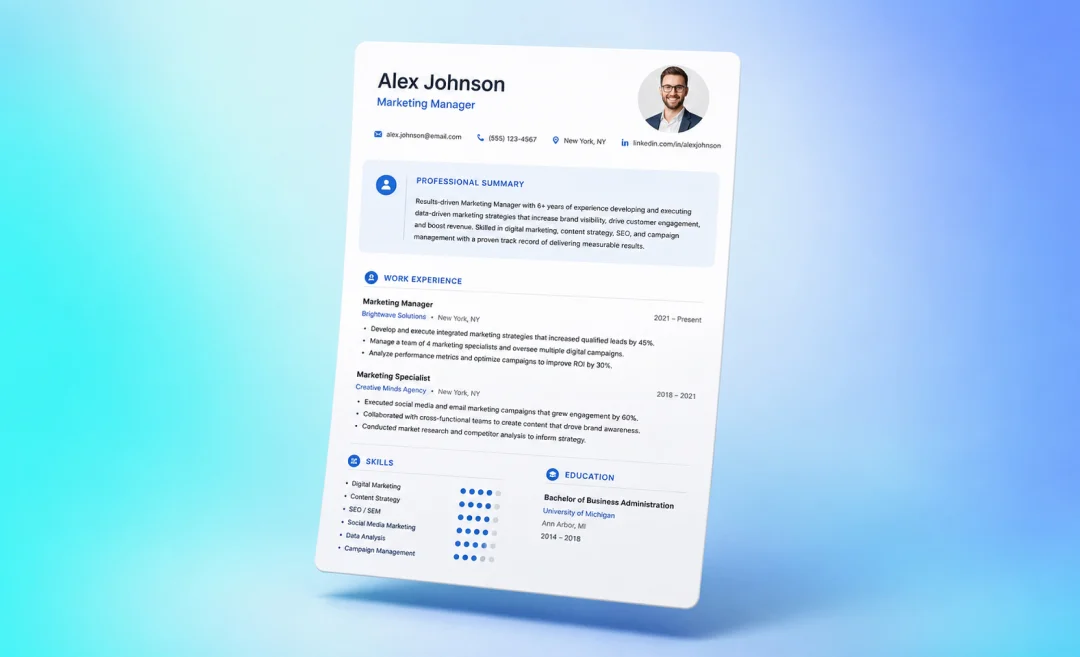
A good resume summary can turn a busy recruiter into an interested reader in just a few seconds. The resume summary section is the one at the top of your resume that explains who you are as a professional, what you are good at, and why you fit the role. These resume summary examples can make it much easier to write your own, even if you are not sure where to start.
This guide shares what a resume summary is, what makes a good summary for a resume, and how to write your own step by step. You will also get several simple resume summary examples that you can adapt to your situation, whether you are applying to entry-level jobs or aiming for a career change.
What is a resume summary (with examples)
We have already covered what a resume summary is, but to recap, it is a short paragraph or a few bullet points at the top of your resume that highlight your most relevant skills, experience, and achievements.

The best example of a resume summary is 2-4 short lines that use clear, simple language, and mention your role, years of experience, and a few key skills that are relevant to the job you are applying for. The best of the best include one concrete result that you achieved or an area of impact if possible.
For example, instead of saying, “Hardworking professional looking for a job,” a good resume summary example would say something like “Customer support specialist with 3+ years in SaaS, known for fast response times and 95%+ customer satisfaction scores.”
This is the kind of summary that gives recruiters a clear picture of the value you can bring to the company.
If you want to get better at finding the key ideas to highlight, it may help to learn in general how to make a summary.
Resume summary examples are helpful
If you don’t know how to write a resume summary, examples are one of the fastest ways to learn. Resume summary examples will teach you how to start a resume summary, how to write a resume summary statement that sounds professional, and what to put in a resume summary for your level and field.
Strong examples of resume summaries always connect experience to specific results and use the same kind of language that appears in real job descriptions. Well-written summaries avoid vague claims and instead focus on what you have actually done in previous real roles.
Seeing good and bad examples of resume summaries side by side also makes it easier to spot common mistakes, like writing a summary that is too long, too generic, or too focused on what you want from the job rather than what the employer needs from the person who fills the position.

Opening line examples to start a resume summary
The hardest part for many people is starting a resume summary. Here are a few examples of good starting lines that you can adapt:
- “[Job title] with X+ years of experience in [industry or main focus].”
- “[Adjective] [role] specializing in [skills or tasks].”
- “[Level, such as ‘recent graduate’ or ‘senior’] with experience in [areas] and strength in [core skill].”
For example:
- “Senior project manager with 10+ years leading cross-functional software teams.”
- “Data-driven digital marketer specializing in SEO and paid search.”
- “Recent computer science graduate with internship experience in backend development and APIs.”
These opening examples immediately tell the recruiter reading your resume who you are and why they should read more.

Resume summary examples by situation
Below you will find several resume summary examples that you can adapt to the position you apply for. You should never copy these generic examples word for word, but you can definitely borrow the structure and tone, and get an idea of what to include.
1. General professional resume summary example
This kind of summary works for many mid-level professionals.
“Marketing specialist with 5+ years of experience in B2B SaaS, focusing on content, email, and SEO. Skilled at driving organic growth, improving conversion rates, and working with cross-functional teams. Known for data-driven decisions and clear, concise communication.”
Why this works:
- Specific role and years of experience mentioned
- Specific channels mentioned (content, email, SEO)
- Areas of impact included (growth, conversion, collaboration)
2. Entry-level resume summary example (student or new grad)
If you have limited experience, you can focus on metnioning your education, projects you have worked on, and transferable skills.
“Recent business graduate with internship experience in market research and data analysis. Comfortable with Excel, basic SQL, and creating clear reports for non-technical audiences. Looking to apply strong research and communication skills in an entry-level analyst role.”
Why this works:
- Honest about level (being a recent graduate)
- Mentions tools and skills
- Connects those skills to a target role
3. Career change resume summary example
If you are changing fields, highlight transferable strengths.
“Customer service professional with 6+ years supporting clients in retail and SaaS environments, now transitioning into HR coordination. Experienced in handling high-volume inquiries, resolving issues, and documenting processes. Brings strong communication, empathy, and attention to detail to people-focused roles.”
Why this works:
- Explains current background and new direction
- Focuses on skills that matter in both fields (communication, empathy, process)
- Makes the transition feel logical
4. IT technician resume summary example
When applying for a specific role, you should adapt your resume summary to that role. Here is an example for people working in IT:
“IT support technician with 4+ years of experience troubleshooting hardware and software issues in fast-paced environments. CompTIA A+ certified, with hands-on experience in Windows, macOS, and basic networking. Known for clear communication with non-technical users and consistently resolving tickets on time.”
Why this works:
- Includes certification (A+)
- Highlights tools and environments
- Emphasizes both technical and people skills
5. “Power” resume summary example for all jobs
This one is still specific, but it focuses on core strengths that apply to many roles, so this one should be easier to adapt.
“Detail-oriented professional with 7+ years of experience across operations and customer-facing roles. Strong track record of improving processes, coordinating with cross-functional teams, and solving problems calmly under pressure. Recognized for reliability, clear communication, and follow-through.”
Why this works:
- Focuses on flexible, cross-role strengths
- Includes years of experience and typical impact areas
- Uses simple, confident language
Writing your own resume summary using examples
Following real resume summary examples is helpful, but you still need to write a version that feels true to you. Here is a simple method:
- Write your resume first: Fill in your experience, skills, education, and projects. It is much easier to summarize once everything is on the page.
- Highlight your best moments: Mark key achievements, tools, responsibilities, and themes. Look for patterns: Do you often improve processes, grow metrics, support customers, or ship projects on time?
- Match those points to the job posting: Align your strengths with the job’s required skills and responsibilities. For ATS and clarity, it is helpful to use the same language where it honestly fits.
- Draft two or three summary options: Try different angles. One focuses on experience, one on results, one on skills. Pick the one that makes your fit and value add the clearest.
- Cut weak or generic words: Remove phrases like “responsible for,” “hardworking,” or “results-driven” unless you can also show how and where you proved those traits.

More resume summary examples for different contexts
Here are a few more short examples you can adapt to your own situation and experience without going deep into full resume templates.
Analyst profile summary example:
“Business analyst with 3+ years of experience turning data into clear recommendations for sales and operations teams. Skilled in Excel, dashboards, and presenting findings to non-technical stakeholders.”
College resume summary example:
“Second-year engineering student with lab and project experience in robotics and Python. Strong problem-solving skills, hands-on work with sensors, and interest in automation roles.”
Short resume summary example:
“Organized and curious professional who enjoys improving systems, learning new tools, and working closely with others to solve problems.”
These are all short on purpose. Your main resume summary should be just as focused, and more detailed examples can be mentioned in another section or better yet, during the interview.
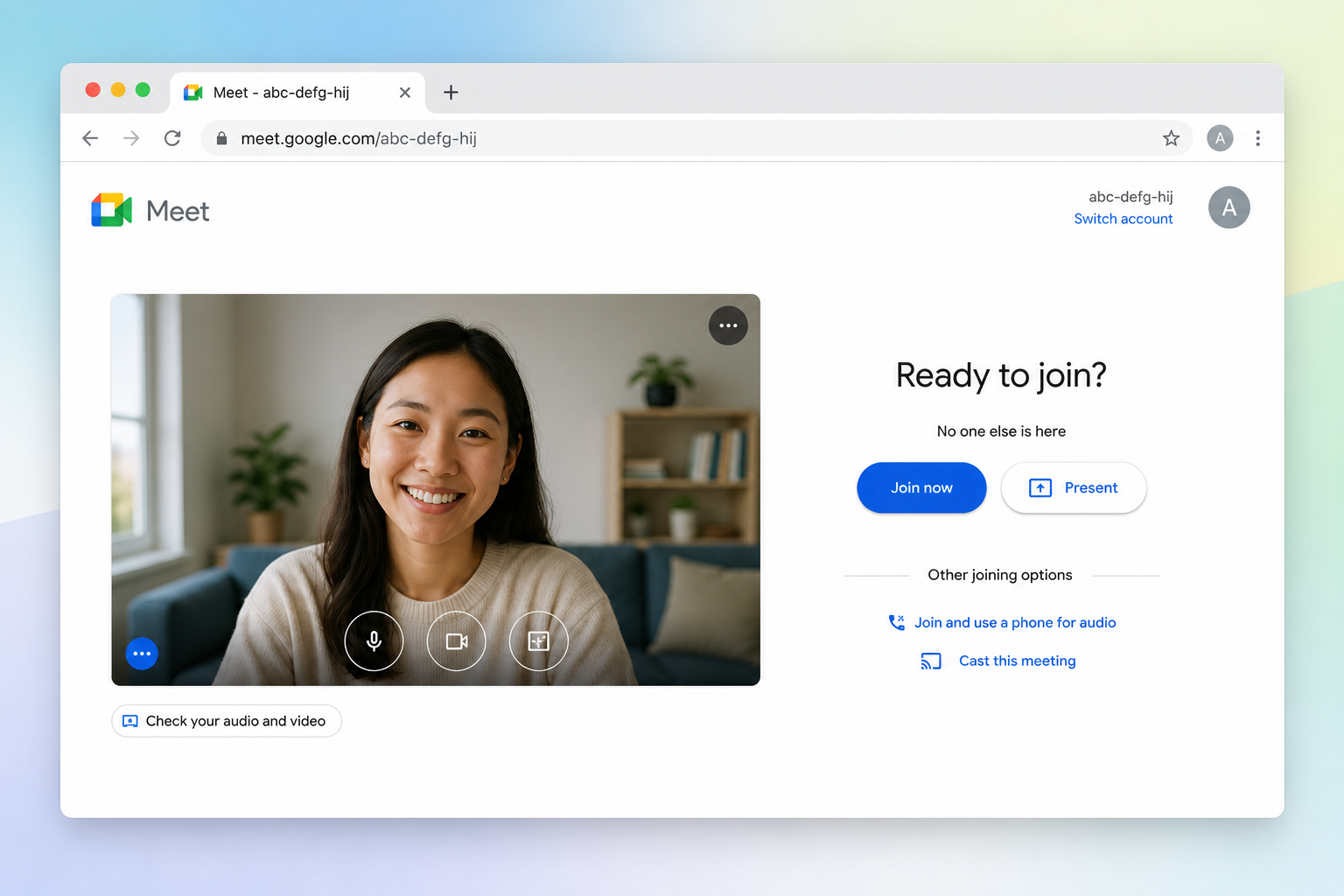
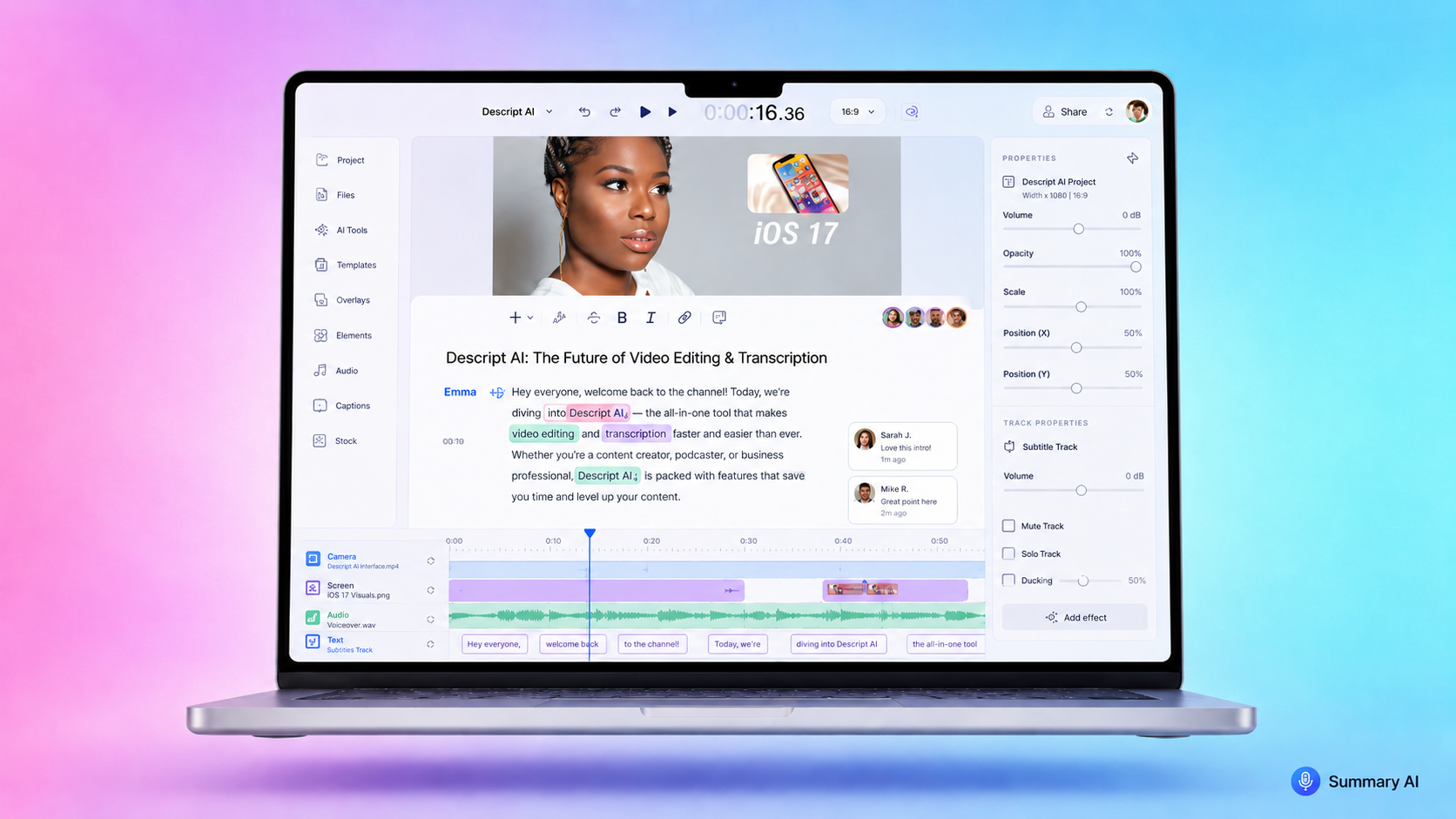
AI can summarize anything in seconds
All sorts of professions involve sitting in a lot of meetings each week. For people who have too many meetings that they just can’t keep up with, Summary AI has a useful tool. It makes AI meeting summaries easy. The tool joins your calls, transcribes every word with speaker tags, then creates a perfect summary with key points and action items that you can email to your colleagues. It is the best AI note taker for people who want to focus on the meeting instead of writing everything down. That way everyone is always on the same page regarding what was discussed at the meeting. It can even be useful for recruiters during job interviews!