



The best AI marketing tools can take hours of manual work off your plate every single day. They are useful for a wide range of tasks that took hours to do before AI became accessible for marketing teams of all sizes. Whether you are writing copy for ads, editing videos, tracking brand mentions, or building a full website, these tools can help you work more efficiently.
The challenge isn’t finding AI tools for marketing. It’s figuring out which tools are actually as useful as they claim to be. Below you’ll find 30+ AI marketing tools worth knowing in 2026, organized so you can jump straight to what you need and start testing them today.

What are AI marketing tools?
AI marketing tools are software and platforms that use technology like machine learning, natural language processing, and generative AI to automate marketing work and make it easier to do the same (often repetitive) tasks so you have more time to focus on strategy. Read more on that in our guide to AI marketing.
There are AI marketing tools for everything. They can help with creating content, optimizing marketing campaigns, getting customer insights, personalizing content to fit your target audience, creating email campaigns, and automating workflows. All of these marketing tasks used to eat up a marketer’s entire week, but now they can be done in a fraction of the time they used to thanks to AI.
The goal isn’t to replace marketers. It’s to free them from repetitive work so they can focus on strategy, creativity, and the parts of the job that actually require human judgment. If you’re new to AI tools in general, our guide to the best free AI apps is a great starting point for exploring options without spending a dollar.
How to use AI marketing tools in your workflow
Start by identifying the tasks that drain the most time in your week. This can be anything from writing, doing marketing research, creating reports, scheduling social media posts, or producing creatives. Then find and match one tool to one task and make sure it works well with your process before adding more tools. Most teams waste money by buying too many tools at once and never learning any of them well enough to get the most benefits from them.
It’s also important to keep humans in the loop for brand voice and final approvals, and treat every tool as an assistant. Main decisions should be made by humans, not AI.
AI marketing tools list
Now that you know how to choose AI tools for marketing, go through the list below and choose tools to test that you think will add value to your workflows.
1. Summary AI: for the most efficient marketing meetings
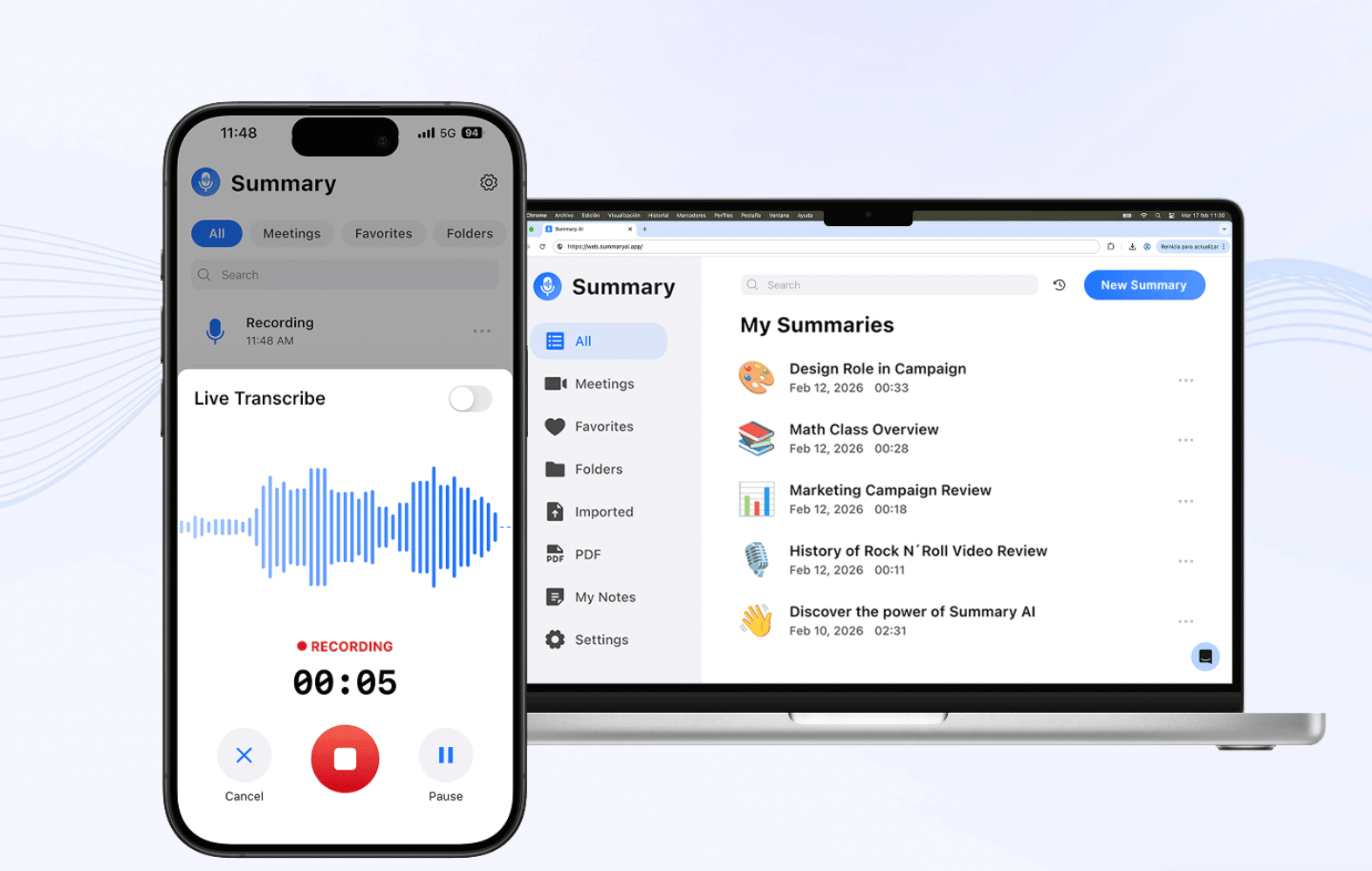
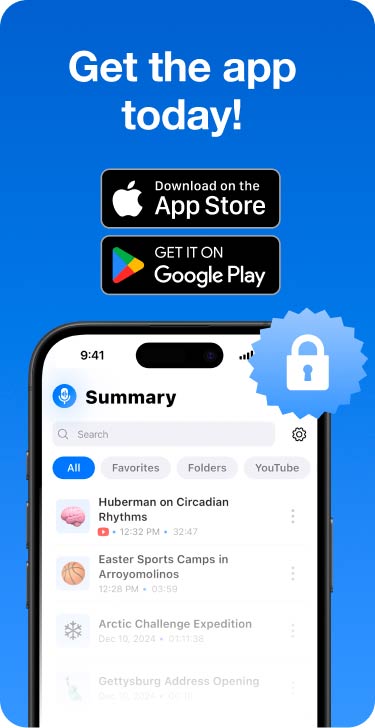
You can invite Summary AI to any call and it transcribes everything, then delivers a clear summary with action items you can use to create your marketing plan or even recycle the transcripts to create content. Summary AI is perfect for brainstorming sessions, weekly meetings, and recording calls with clients to understand their needs and what they think of your product.
2. Gumloop: best for AI marketing automations
Gumloop is a platform that lets you build no-code AI workflows. You can use prompts, scrapers, and APIs and chain them together. Marketers use it for researching leads, repurposing content, and automating repetitive tasks that take multiple steps. All of this without having to know how to code.
3. Claude: for any marketing task
Claude is a general-purpose AI assistant from the AI company called Anthropic. It can handle long documents, write copy, help brainstorm your marketing strategy, and do deep research. The level of accuracy it has thanks to web search makes it a better tool for marketing than other LLMs.
4. Surfer SEO: for content optimization
Surfer SEO is a content tool that analyzes top-ranking pages and tells you which keywords, headings, and structures to use. It’s one of the fastest and beginner-friendly ways to turn an idea or a blog article draft into a polished piece of content that can rank in search engines.
5. v0: for building websites
v0 is a platform by Vercel that can generate working website code from simple prompts you write. Marketers can quickly create landing pages, small websites, and other pages for campaigns in minutes without having to rely on a developer.
6. Google Labs: for free AI marketing tools
Google Labs is where Google tests experimental AI features, including writing tools, image generators, and research assistants. Most are free to try and some of them can even be useful for day-to-day marketing tasks. Give them a try!
7. Kling AI: for generating AI videos
Kling AI creates short videos with generative AI from prompts. It’s a fast way to produce clips for social media, create variants for ad campaigns, and make product showcase videos if you don’t have access to a camera and a film crew.
8. Notion AI: for productivity
Notion AI is available inside your existing Notion workspace. It is an interesting tool to try that helps with summarizing notes, drafting docs, and organizing your ideas. Notion AI can be a great marketing tool for teams that already plan and track their work in Notion.
9. Jasper AI: for copywriting
Jasper is an AI tool built for drafting marketing copy. It has templates for everything from ads and emails to landing pages and more. You can even set controls so the copy it generates uses your brand voice. That keeps all the copy on-brand across your whole team.
10. Lexica Art: for blog thumbnails
Lexica is useful for generating custom images from text prompts and has a massive gallery of AI images that you can search. It is an ideal AI marketing tool for making blog headers, social media posts, and thumbnails when stock photos feel too generic.

11. LALAL.AI: for recording audio
LALAL.AI separates vocals, instruments, and background noise from any audio file. Podcasters and video marketers use it to clean up recordings and extract clips for repurposing.
12. Crayo: for short-form videos
Crayo turns text or long videos into short-form clips you can use for marketing across TikTok, Reels, and Shorts. It automatically adds captions, effects, and music. This cuts production time (and cost) from hours to minutes, making it a great AI marketing tool for teams on a tight budget.
13. Brandwell: for generating SEO blog posts
Brandwell is a platform that is on the pricier side that you can use to create long-form SEO content. It is good for teams that need to publish content consistently without growing the writing team.
14. Originality AI: for AI content detection
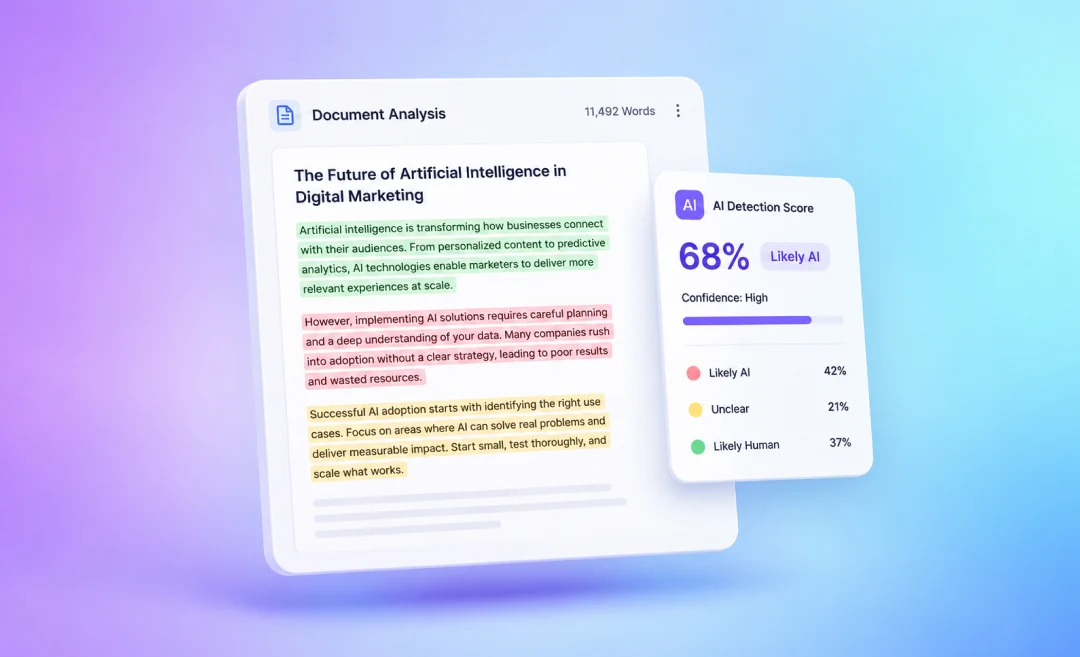
Originality AI is an AI content checker. It checks whether content was written by a human or AI. It also has tools for flagging plagiarism and fact-checking. Useful for agencies and editors who want to verify articles created by freelancers.
15. Writer:content writing for marketing teams
Writer is a content platform with features for AI drafting using brand guidelines and team collaboration. It’s built for larger marketing organizations that need branding and voice to stay consistent across dozens of writers.
16. Undetectable AI: for rewriting AI content
Undetectable AI is a platform made to rewrite AI-generated text so it reads more naturally and bypasses AI detectors. Use it to polish rough AI drafts into something that is ready to be published.
17. ContentShake AI: for SEO blog writing
ContentShake is a tool from Semrush that combines keyword research with AI writing within one workflow. It makes suggestions for topics to write about and drafts articles and optimizes them for search, all in a single tool.

18. Fullstory: for creating digital experiences
Fullstory uses AI to analyze how users interact with your website. It looks at user behavior and flags “frustration points” and conversion blockers. It helps focus on optimizing your pages for conversions and is a must for marketing teams concerned with user experience.
19. Zapier: for automating tasks
Zapier is an automation platform that connects thousands of apps. It now includes integrations and tools for AI that can summarize, classify, and generate content between actions. Automation through platforms like Zapier is the backbone of marketing workflows.
20. Hemingway App: for content editing
Hemingway helps content writing teams rework their texts for readability. It highlights issues that make text harder to read, like dense sentences, passive voice, and difficult words.
Fixing the issues it highlights helps your writing stay clear, which is a plus four user experience and SEO. It is a must for marketers who want easily readable content that is a breeze to scan and crawl.
21. Chatfuel: for chatbots
Chatfuel helps build AI-powered chatbots for websites, including WhatsApp, Instagram, and Facebook Messenger. Chatbots built with Chatfuel are a great marketing tool for generating and qualifying leads, as well as customer support, and automated follow-ups 24/7.
22. Grammarly: for content editing
Grammarly is another useful tool for marketing teams that uses AI. It catches typos, issues with tone, and clarity problems across everything you write. The generative AI features also help rewrite sentences and adjust your tone on the fly.
23. Albert.ai: for digital advertising
Albert.ai is a platform for managing paid ad campaigns across channels, optimizing bids, audiences, and ad creatives. It is built for teams running ad programs who want to save time and increase results by being able to optimize their efforts around the clock.
24. Paradigm AI: for AI data research
Paradigm turns spreadsheets into AI-powered research engines that can pull data from the web, summarize sources, and enrich rows automatically. This is a massive time-saver for market research.
25. Userbot.ai: for conversation management
Userbot.ai manages customer conversations across chat, voice, and messaging channels with AI-driven responses. It is ideal for marketing teams that rely heavily on talking with customers and need support handling thousands of inbound messages.
26. Browse AI: for scraping web pages
Browse AI scrapes any website without needing to code. It turns public data into structured data using markdown. Marketers use it for monitoring competitors, for example tracking competitor prices, and building lead lists.
27. Algolia: for search and recommendation APIs
Algolia is used for fast, AI-driven search and product recommendations on websites and apps. Essential for ecommerce marketers who want to boost conversions on their site.
28. PhotoRoom: for removing image backgrounds
PhotoRoom is a tool that instantly removes backgrounds that you can use to create nice-looking product images from photos taken with your phone. A favorite for ecommerce businesses and social media teams producing creative at a large scale.

29. Reply.io: for email marketing
Reply.io has an AI Sales Email Assistant that is especially useful for drafting personalized sales emails and follow-ups based on prospect data. It helps outbound teams scale cold outreach without sounding like robots.
30. Brand24: for media monitoring
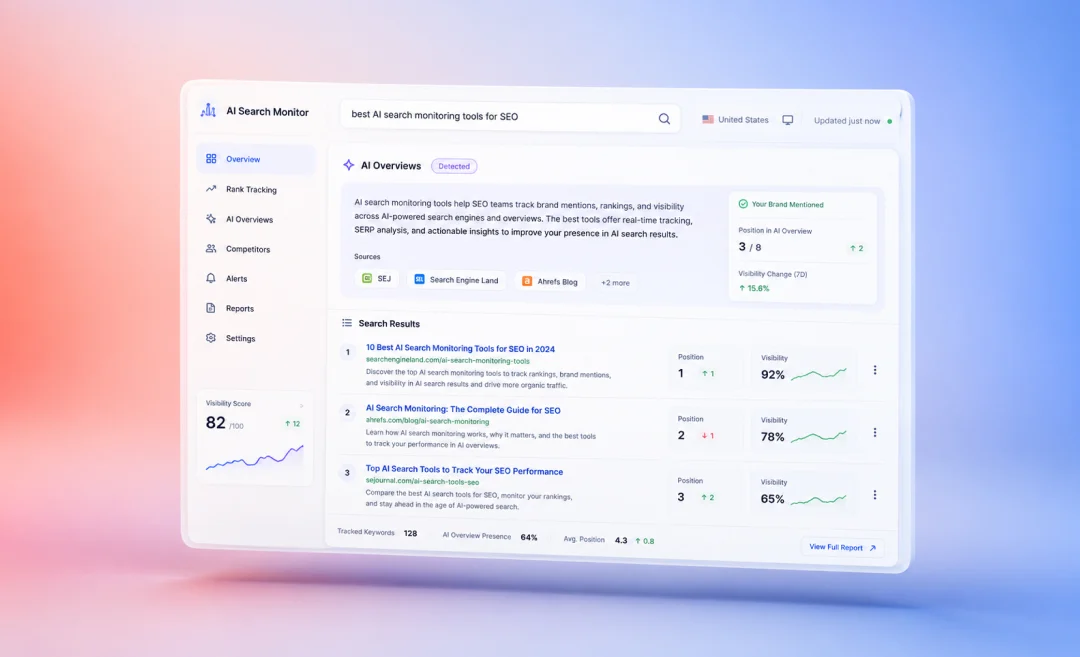
Brand24 tracks mentions of your brand across social media, news, blogs, and forums, then uses AI to surface sentiment and trending topics. Great for reputation management and PR.
31. Influencity: for influencer marketing
Influencity helps brands find, analyze, and manage influencer partnerships using audience data and AI. It makes vetting creators and measuring campaign ROI far easier than manual research.
For a deeper dive into how general-purpose AI assistants compare for marketing work, check out our ChatGPT overview and our Perplexity vs ChatGPT breakdown. If you also use voice assistants, our Gemini vs Google Assistant comparison is worth a read, and you can always check the latest from Gemini and Copilot directly.
Get instant AI summaries for any meeting
Marketing teams spend more time in meetings than almost any other department: campaign reviews, creative briefs, client calls, strategy sessions. Good ideas get lost during manual notes or nobody’s notes at all.
Summary AI is an AI summarizer that turns long meetings into clear, concise AI summaries in seconds, capturing key points, decisions, and action items while saving your team hours every week. Just invite it to your Zoom, Google Meet, or Microsoft Teams calls.