


What are the best AI search monitoring tools? That’s a question a lot of SEO teams are asking themselves nowadays, along with a long list of other questions. Everybody wants to know how ranking in search is changing due to AI and how they can leverage AI to rank higher or increase their visibility in LLMs. For this, everyone is looking for the best tool to use.
In this guide we will list five of these tools and tell you a bit about what each one does best so you can choose the ones you need for your work.
What are AI search monitoring tools?
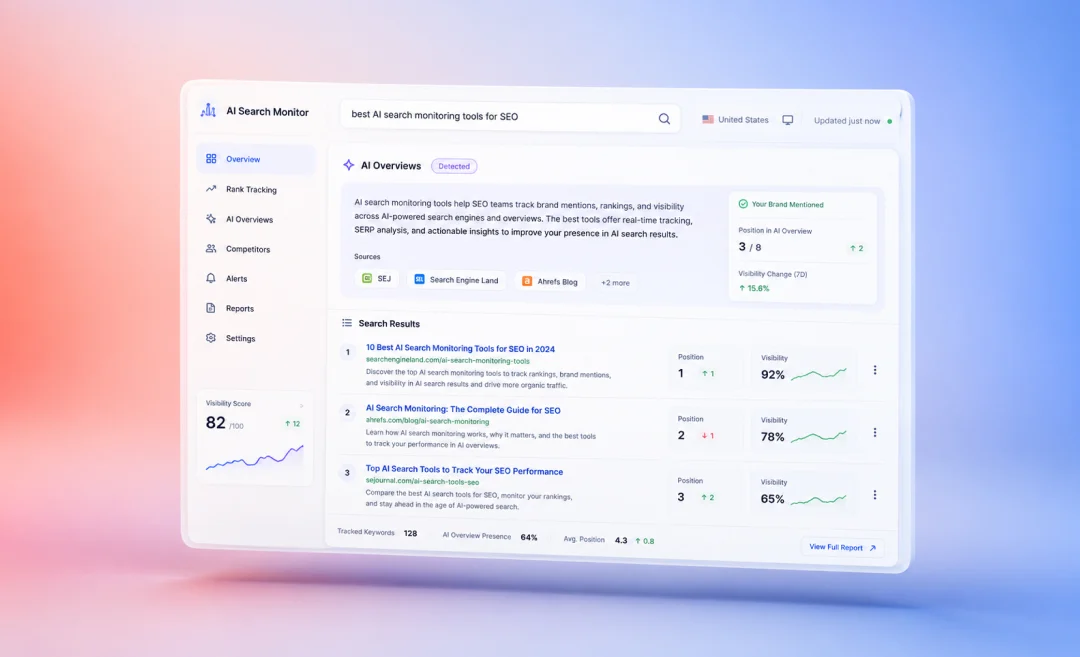
AI search monitoring tools track your brand, competitors, keywords, and URLs inside AI-powered search results from tools like ChatGPT, Google AI Overviews, Perplexity, Gemini, and other large language models. These tools help you understand whether AI mentions your brand and cites your website. Or does it recommend your competitors instead?
Traditional SEO tools still matter
Semrush, Ahrefs, Google Search Console, and similar platforms help you track rankings, backlinks, traffic, and keywords. But AI search monitoring tools focus on the newest layer of where people go to for answers, which is AI. This is where users may get information without clicking a “normal” search result. It’s important to know how to optimize your content for AI, and these tools help you understand and track that.
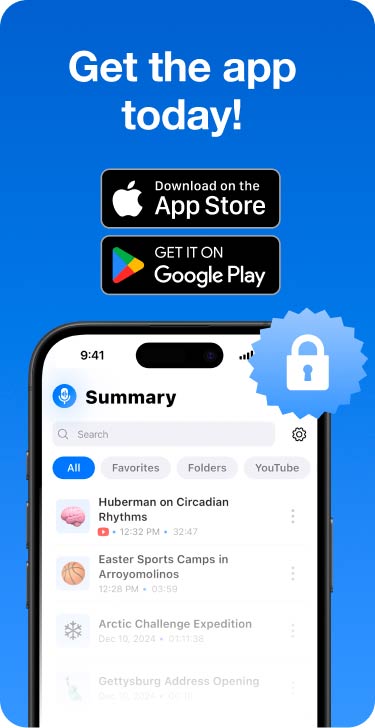
SEO teams tend to have a lot of meetings, and the best tool for busy teams is an AI note taker like Summary AI. It joins your calls, transcribes everything, and generates a perfect summary with key points and action items highlighted so you can review what the meeting was about at a glance and you always know what to do next.
Best AI Search Monitoring Tools
This section will look at five popular tools that you can use for understanding how your content performs across LLMs and other AI features and how you can optimize it to perform even better.
1. SE Ranking AI Search Toolkit
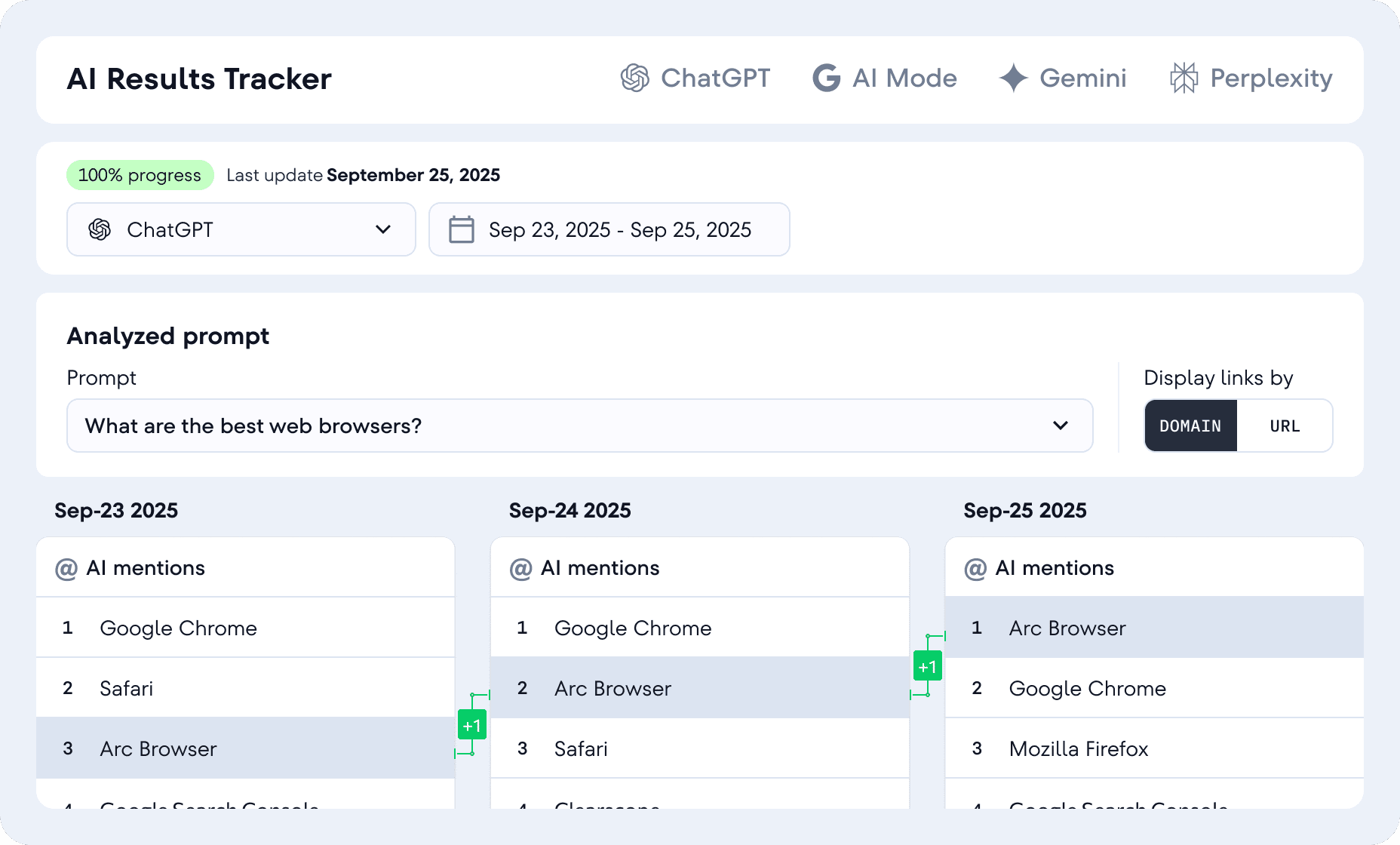
Overview: SE Ranking is one of the best AI search monitoring tools for SEO teams that want AI visibility tracking. It is part of a larger SEO platform, so you still get more traditional tools as well.
The AI Search Toolkit helps you track brand mentions, links, competitors, and cited sources across AI search. SE Ranking says it can track AI Overviews, AI Mode, ChatGPT, Gemini, and Perplexity. It also includes AI competitor research, AI results tracking, source analysis, and historical visibility data.
This makes SE Ranking useful if you already do “classic SEO” and now want to add AI visibility tracking to your workflow. You can monitor where your brand appears, compare yourself with competitors, and see which sources AI tools use when answering questions in your niche so you can target those.
Pros
- AI search tracking across several platforms.
- Good fit for SEO teams and agencies.
- Includes competitor monitoring.
- Shows brand mentions, links, citations, and visibility trends.
- Includes traditional SEO tools in the same platform.
Cons
- Required to add info manually for setup
- AI Search is an add-on in the pricing structure.
- Best for teams that already need SEO software, not only AI monitoring.
Monthly price
SE Ranking starts at $109 per month for the core plan.
2. Dageno AI
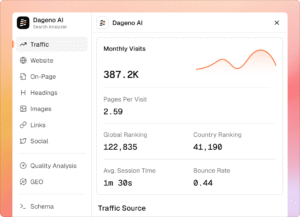
Overview: Dageno AI is an AI search visibility and GEO platform built for marketers who want to track and improve how their brand appears in AI answers.
Dageno focuses on monitoring, understanding, and giving you tools to act on AI visibility data. It can track AI visibility across platforms such as ChatGPT, Gemini, Perplexity, Google AI Mode, Google AI Overview, Grok, Copilot, DeepSeek, and Qwen. Its pricing page also says plans include daily prompt tracking, competitor monitoring, countries and languages, SEO data, reports, and integrations.
This makes Dageno AI a strong option if you want more than a dashboard. It is built around finding visibility gaps and turning them into content or optimization actions.
Pros
- Good for working with GEO and AI visibility.
- Tracks multiple AI platforms.
- Includes competitor monitoring.
- Daily prompt tracking.
Cons
- Geographical coverage focused on US and Europe
- May be more than very small teams need.
Monthly price
Dageno AI starts at $79 per month.
3. Omnia
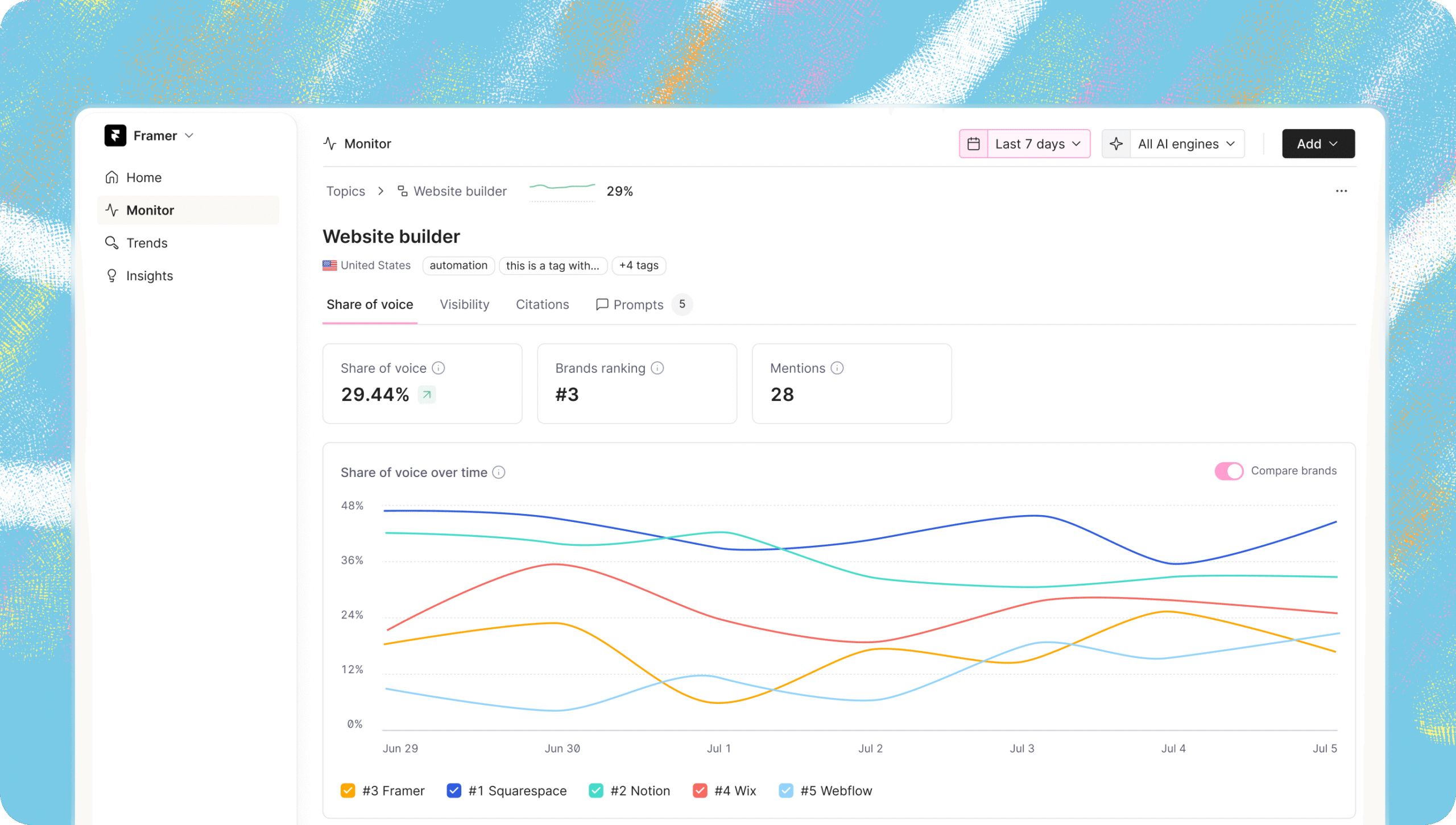
Overview: Omnia is an AI visibility platform for marketing teams. It helps you see where your brand appears in AI search engines and what you can do to improve that visibility.
Omnia tracks AI visibility in ChatGPT, Perplexity, Google AI Overviews, and Google AI Mode. It also offers prompt discovery, competitor benchmarking, citation monitoring, sentiment analysis on higher plans, and actionable insights to improve AI visibility.
Omnia is useful if you want a clean AI search monitoring tool that also gives you recommendations for next steps to take. It is especially good for startups, in-house marketing teams, SEO leads, and agencies that want to track prompts and citations daily.
Pros
- Clear focus on AI visibility tracking.
- Tracks major AI search environments.
- Includes competitor benchmarking and citation monitoring.
- Offers daily monitoring.
Cons
- Lower plan is limited to 25 prompts.
- Sentiment analysis is only included from the Pro plan.
Monthly price
Omnia starts at €79 per month.
4. Meridian
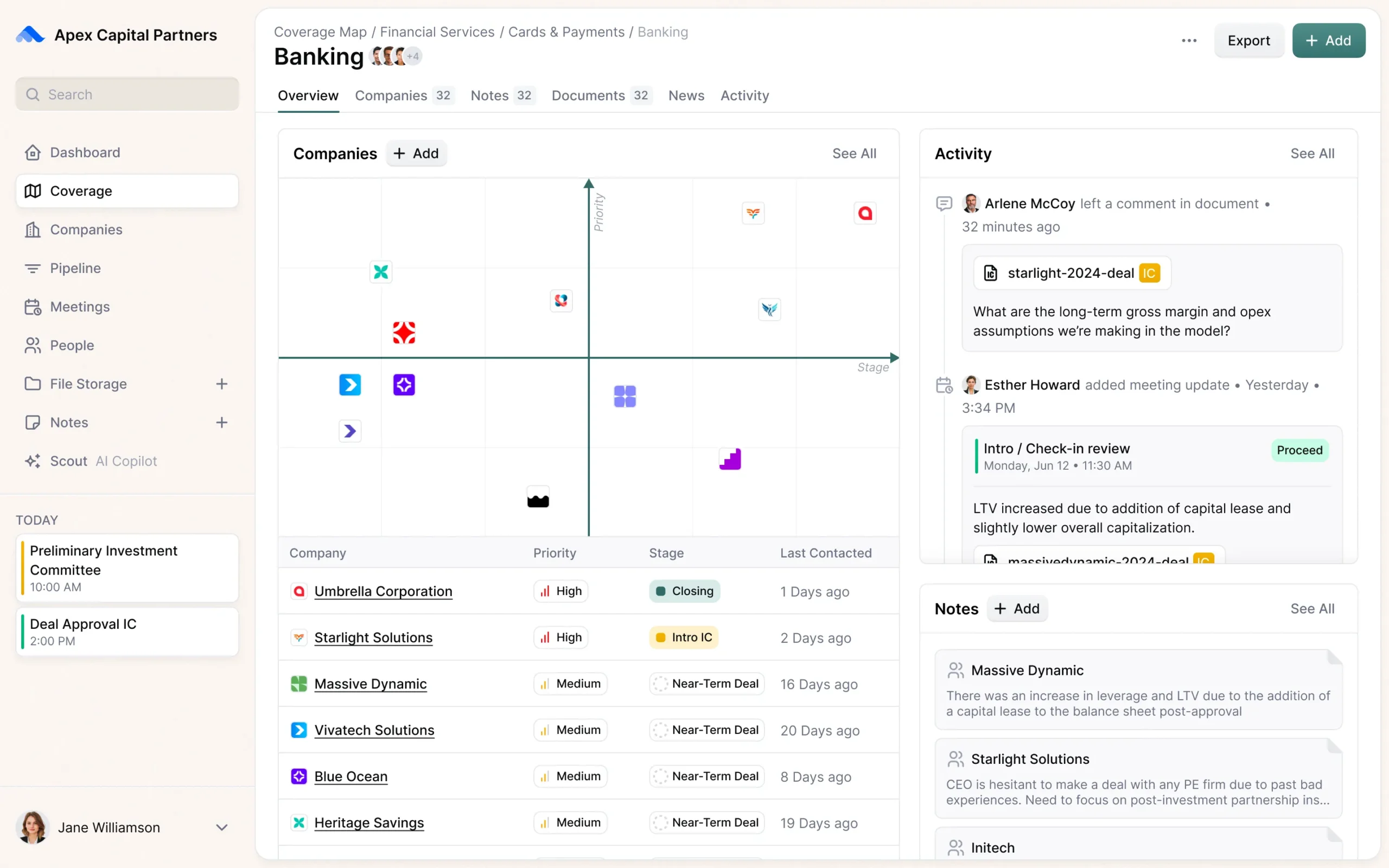
Overview: Meridian is an AI visibility platform built to help brands understand and improve how they appear in AI search and AI recommendations.
Meridian tracks brand visibility across platforms such as ChatGPT, Perplexity, Google AI Overviews, and Gemini. The Foundations plan includes 200 unique daily prompts, website insights, recommends opportunities for creating content, generates articles, has unlimited competitor monitoring, and it includes 5 seats.
This makes Meridian a good choice for brands that want a more advanced AI search monitoring tool. It is especially useful for companies that care about brand mentions, competitor share of voice, product visibility, and need help creating content.
Pros
- Strong daily prompt monitoring.
- Includes competitor monitoring.
- Tracks multiple AI search platforms.
- Offers website insights.
Cons
- Requires custom pricing.
- May be too advanced for small teams.
Monthly price
Meridian does not have public pricing information available and it requires a custom quote.
5. Otterly AI
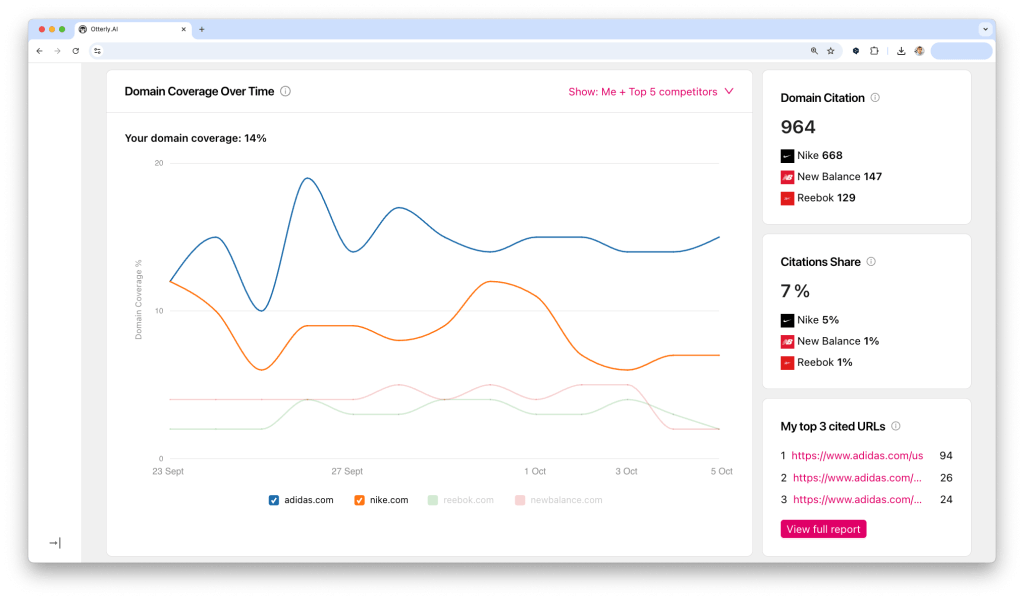
Overview: Otterly is one of the best AI search monitoring tools for teams that want a simple way to track brand visibility across major AI search platforms.
Otterly tracks ChatGPT, Google AI Overviews, Perplexity, and Microsoft Copilot. Google AI Mode and Gemini are available as extra add-ons. It also includes daily tracking, brand reports, AI prompt research, brand visibility index, domain ranking, link citation analysis, GEO audits, and report exports.
This makes Otterly a good option for agencies, consultants, and marketing teams that want to monitor how AI tools mention their brand and competitors over time.
Pros
- Simple and focused AI search monitoring.
- Tracks several major AI search platforms.
- Good for agencies and marketing teams.
- Includes brand reports and citation analysis.
Cons
- Lite plan only includes 15 search prompts.
- Gemini and Google AI Mode cost extra.
Monthly price
Otterly AI starts at $29 per month.
How to Choose the Best AI Search Monitoring Tool
To choose the best AI search monitoring tool, start with trying tools that monitor the platforms you care about most. Some teams need to track visibility in ChatGPT, others care more about Google AI Overviews, Perplexity, Gemini, or want to track several AI search tools at once.
Next, decide what you want to measure. Brand mentions are useful, but they are only one part of the bigger picture. The tool you choose should also help you understand citations, competitor visibility, source usage, prompt performance, and track changes over time.
You should also look at how actionable the data that the tool provides you with actually is. A dashboard is helpful, but you need to know what to improve in order to appear in LLMs. Look for tools that help you find content gaps, missed opportunities, and topics where competitors are more visible than you. For this, you may need traditional SEO tools as well or a platform that combines both traditional monitoring and AI monitoring.
Finally, choose a tool that matches your team’s size and budget. Small teams may only need simple monitoring, while agencies and larger brands may need daily tracking, data from multiple geographical locations, reporting, and other insights.
Conclusion
AI search is still changing fast and the tools that help monitor it need to change with it. That is why choosing a tool that is updated regularly matters most.
SEO teams need to stay up-to-date and need to prioritize what they spend their time doing. Meetings are important, but they can also eat up a lot of your time. That’s why an AI note taker and meeting summarizer like Summary AI can be a real lifesaver. It joins your calls and generates a perfect summary every time so you can review meetings at a glance and you always know what to do next.