



One of the most common reasons people want to record calls is to document calls with clients. Whatever your reason is, this article will walk you through how to do it. There are a few safe, reliable, and importantly, legal ways to record calls, including with the help of built-in tools, features of your cell carrier, or with external devices.
This article is for general information only, not legal advice. Always check the laws where you and the other caller are located before you record.
How can I record my calls?
Before we dive straight into the exact methods, it helps to see the main options for how to record my phone calls.
The most common methods are:
- Built‑in call recording on some Android phones
- Google Voice on iPhone and Android
- Using external recording devices
- Third‑party call recording apps

Choosing the best way to record a phone call
There isn’t a one-size-fits-all solution to recording your phone calls, and the best option depends on a few things, like what device you are using, whether you need all of your calls recorded automatically or just occasional ones, whether you need to record both sides clearly, and legal requirements for recording phone calls and consent in your country or state.
Below are the main approaches to how to record your phone calls in practice.
Record a call on an iPhone
In general, iPhones are more restrictive than Android phones for recording calls, especially in regions with strict privacy laws. However, some iOS versions have started adding call recording and transcription features that are available in some countries.
1. iPhone built‑in call recording
On supported devices and in supported regions, Apple includes a built‑in record and transcribe feature for calls. In general, this is available on iOS 18 or above. Check Apple’s website for a full list of where this feature is available.
If available for your device and region, here’s how to use this feature to record calls on your iPhone:
- Go to the Phone app on your iPhone and make a call.
- During the call, tap the More button (three dots), then tap Call Recording.
- Both call participants will hear an audio notice that the call is being recorded.
- To stop recording, tap the Stop button or just hang up.
iPhone automatically saves call recordings to a Call Recordings folder in the Notes app. To see the call in the Notes app, tap View Saved Call.
It is important to keep in mind that Apple deliberately announces that the call is being recorded to all parties on the call. This feature is only available in certain countries or regions.
This is the easiest option for recording a call on your iPhone if it’s available to you.
2. Using Google Voice on iPhone
Google Voice has options for free incoming call recording for users in certain countries. Here’s how to use it to record a call on your iPhone:
- Create a free Google Voice account and number.
- In Google Voice settings, enable Incoming call options.
- When you receive a call to your Google Voice number, press 4 to start recording and 4 again to stop.
The system announces that recording has started/stopped, so all parties are aware. Recordings are stored in your Google account and can usually be downloaded or listened to in the app.
Remember that this option comes with a few limitations. It typically only works for incoming calls. Also, it requires using your Google Voice number instead of your regular cell number.
3. Using a voice recorder + speakerphone
If you only need occasional recordings and don’t want to rely on services, you can:
- Place or answer the call.
- Turn on speakerphone.
- On the same iPhone or a second device, open a voice memo or recorder app.
- Tap Record, and place the microphone near the phone’s speaker.
- When the call ends, stop the recording.
The advantages of this method is that it is really simple and free to do without requiring any sort of app. The disadvantage is that the recording quality really depends on the noise in the room and speaker volume. When you use this method, your voice will probably be clearer than the other person’s.
Even when you use this method, you must still follow consent laws when recording a phone call.

Record a call on an Android phone
Android generally makes recording phone calls a bit easier, especially on Google Pixel and Samsung Galaxy phones, but availability still varies by country.
1. Using the Google Phone app
On many Android phones that use Google’s Phone app, you can follow these instructions to record calls:
- Open the Phone app.
- Go to Settings and choose Call recording
- Enable options such as recording calls from unknown numbers or to always record calls from selected contacts
- During a call, tap the Record button.
- An audible announcement usually informs both parties.
- After the call, open the call log, tap the call, and you’ll see the recording attached.
The benefit of this method is that it records both sides clearly and you can set it up so that it offers automatic recording for chosen numbers.
2. Recording calls on Samsung Galaxy
Many Samsung Galaxy phones include their own call recording features:
- During a call, tap the More (three dots) menu.
- Choose Record to start; tap again to stop.
To set up automatic recording, go to Phone app, Settings, and choose to Record calls. Choose whether to record all calls, unsaved numbers, or specific contacts.
Recordings are usually saved in a Call or Recordings folder in your file manager or inside the Phone app.
3. Using a voice recorder on Android
Just like on iPhone, you can also record calls with this workaround:
- Place or answer the call.
- Put it on speakerphone.
- Open the built‑in Recorder app or any voice memo app.
- Start recording and keep the devices close.
Record a call with Google Voice
Google Voice is one of the best solutions for recording calls across platforms, because it is the most reliable. It’s a good option because it is free to use for incoming call recording, works on both iPhone and Android, and automatically stores recordings in the cloud.
Use another recording device
Again, the most simple and effective method for recording calls is using another device for recording.
- Make or receive a call, and switch to speakerphone.
- Place a second phone or digital recorder nearby.
- Record using that second device’s microphone.
- When finished, transfer the audio to your computer or cloud storage.
This is ideal for interviews, recorded consent for legal and medical conversations, and for people who don’t want to install any apps or configure settings
Recording calls via voicemail
Another trick for recording calls that can work with some carriers:
- Call the other person.
- Add your own number (or a special voicemail access number) to the call.
- Merge calls to create a conference.
Your carrier voicemail records the merged call.
After the call, get the recording from voicemail and, if needed, download it.
This method depends on your carrier, but it’s worth exploring it as an option if you want to record a phone call on my cell phone without extra tools.

Is it legal to record phone calls?
Before you focus on how to record calls, you should understand if (and when) you’re allowed to record them.
What is one‑party consent?
In one‑party consent jurisdictions, only one person on the call needs to know about and agree to the recording. If you’re part of the conversation, you count as that one party.
This means that you can record your own calls without telling the other person for personal use, if local law allows.
However, it may still be good practice to inform them from an ethical perspective, especially in professional settings.
Where does one‑party consent apply?
Many U.S. states use one‑party consent (for example, New York, Texas, and others), and several countries follow a similar rule for personal use. Laws can change, so always confirm the law for your region before recording anything.
What is two‑party consent?
In two‑party (or all‑party) consent jurisdictions, everyone on the call must know about and agree to being recorded. You must tell them before you start recording or at the start of the recording.
Where does two‑party consent apply?
Some well‑known all‑party consent regions include U.S. states like California, Florida, Pennsylvania, Washington, Massachusetts and more. Many European countries with strong privacy laws also have two-party consent laws.
In these places, recording a call secretly can be illegal, even if you are on the call.
What about recording calls across state or country lines?
If one person is in a one‑party state and the other is in a two‑party state, the safest approach to recording calls is to assume two‑party consent is required. To demonstrate compliance with the law, cearly state what you would like to do and why and get verbal consent: “I’d like to record this call so I don’t miss any details. Is that okay?”
Exceptions to consent rules
Certain exceptions can apply in some cases. For example, law enforcement with warrants can record calls without consent. Some workplace monitoring is also permissible by law with proper disclosure, and so are emergency services. But these exceptions are narrow and specific to certain jurisdictions. If your recordings are for anything more serious than personal notes, consider getting legal advice.
Why do people record phone calls?
People want to record my phone calls for many reasons:
- Documenting client calls
- Capturing sales calls and discovery calls
- Recording interviews and research
- Saving conversations with loved ones
- Remembering medical or financial advice
- Evidence in disputes
Whatever your motivation, combine recording with good transcription and note‑taking techniques so you actually use the information you capture.
A few good articles to read on similar topics are how to transcribe audio to text and how to record sound on PC.
Get Instant AI Summaries for Any Meeting
Recording calls and meetings is useful, but listening back to everything is not, and it takes way too much time away from other things that you should be doing. That’s where AI can save you enormous time.
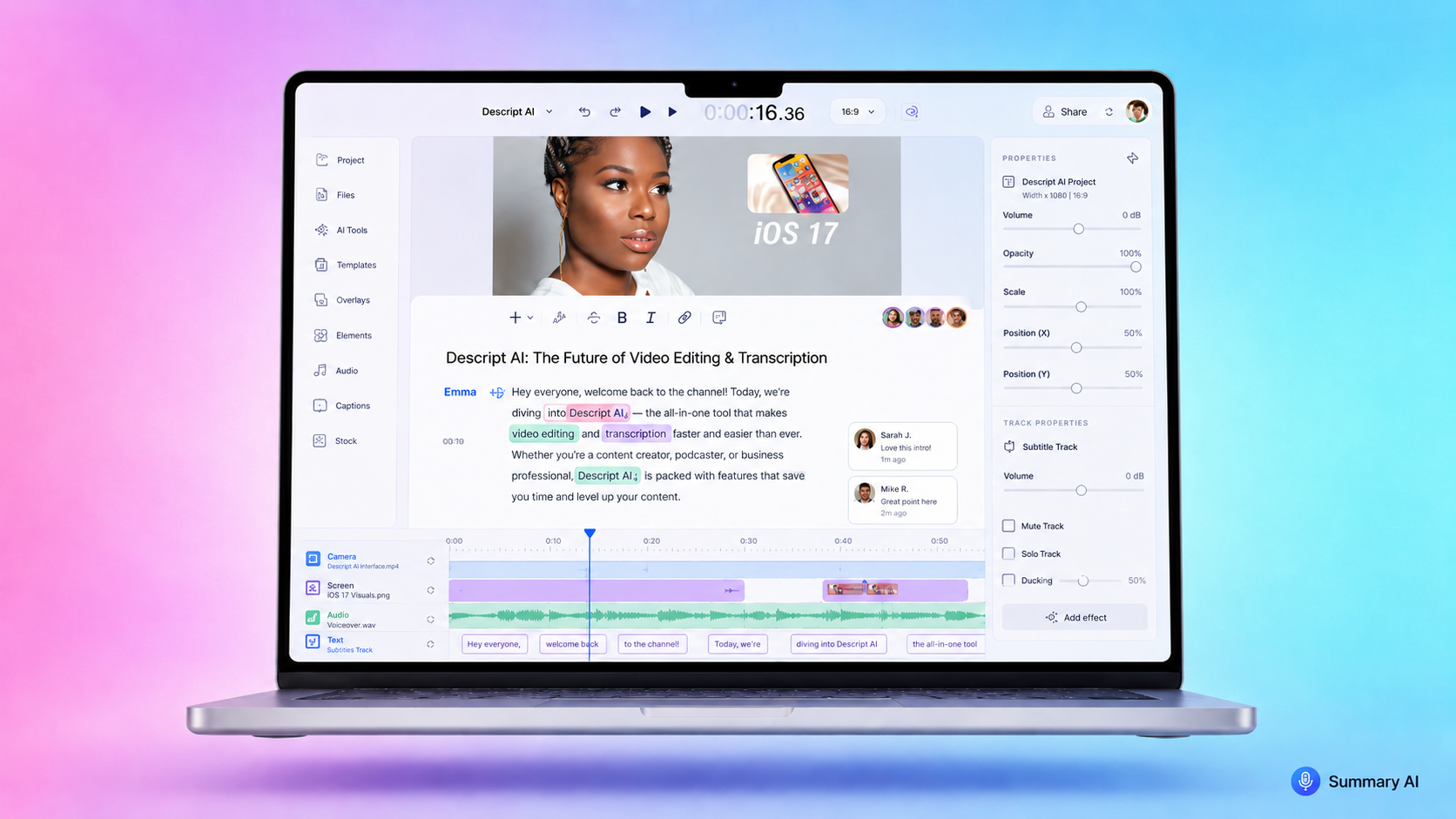
Summary AI is a powerful AI summarizer that turns long meetings into clear, concise AI summaries in seconds, capturing key points, decisions, and action items while saving your team hours every week.
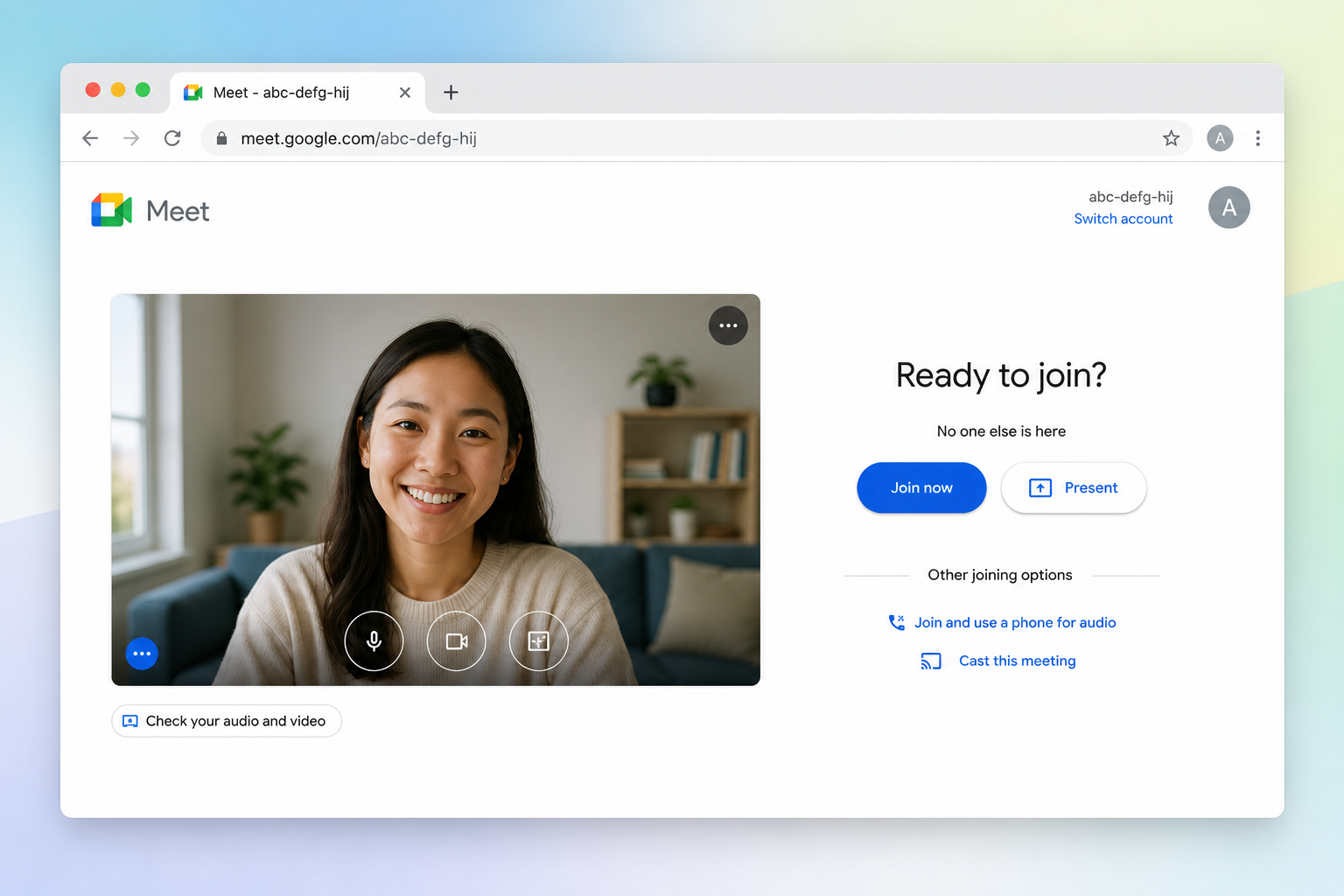
Invite it to your Zoom, Google Meet, or Microsoft Teams calls, and it handles:
- Recording
- Transcription
- Summaries and action lists
If you’re already recording calls for work, adding AI summaries on top is the fastest way to make your meetings more productive.