




Are you searching for a tool that helps you translate audio? You aren’t the only one, and this type of tool can be really useful for all sorts of situations. People using it for help with studying and work as journalists or marketeers. The first tool people often try to use is Google Translate and they wonder whether Google Transate can translate MP3 files.
This article looks at all the options there are for translating audio using Google Translate and other tools, including Summary AI, so you can choose the best workflow to transcribe and translate your audio recordings.
In this guide, you will learn how Google Translate handles voice translation, how to translate MP3 recordings step by step, and what tools work best for translating audio.
Can Google Translate translate MP3 files?
Google Translate can be a great tool and it is really popular as a translation tool that people use all the time all over the world. It is great at translating text and can do that for more than 100 languages.
However, it is not great for translating audio. It does not let you upload audio files at all, in fact. If you wanted to upload MP3 recordings to translate audio directly, you wouldn’t be able to. For example, you cannot drag and drop an MP3 file right into Google Translate and receive an instantly translated transcript. For this type of audio translation, you will need a workaround or another tool. But don’t worry, we have got you covered.
Google Translate does give you an option for translating audio in another way. Instead of uploading audio to the translator, Google Translate needs your device’s microphone to record your audio and transcribe it with voice-to-text. It records what you say, converts it into text, and then translates that transcription.
If you already have an MP3 file on your computer that you want to translate, there are two ways that you can use Google Translate:
- Play the MP3 out loud near the microphone of your phone or computer so Google Translate can listen to it and translate short parts of it, as if it were transcribing and translating your voice.
- Transcribe the MP3 into text using another tool, then paste the transcript into Google Translate and translate the text.
For shorter clips, playing audio as mentioned near the microphone can be enough. But for longer recording like recordings of interviews, lectures, or podcasts, using another tool to transcribe the audio first and then translating the transcription text will often give you much better results.
How Google Translate does voice translation
Google Translate includes several voice features that are designed for translating live speech, but not audio files.
When you tap the microphone icon, Google Translate listens to what you say or what is played near the microphone and uses speech recognition to turn that speech into text. Then, it translates the text into the language you choose.

You can also listen to the translation if you want using the speaker icon.
There is also a mode that is designed for two people who speak different languages who want to use Google Translate to have a conversation. This is a feature that you can make the most of on mobile, when travelling in a place where you don’t speak the local language, for instance. Using this feature is pretty simple: each person speaks in their own language, and the app translates back and forth so they can understand each other.
Google Translate works especially well for:
- Short phrases
- Simple sentences
- Live conversations
- Quick questions and answers
These translation features are not really ideal for longer MP3 recordings and they don’t do well with audio recordings where more than one person is speaking at the same time. MP3 uploading is not supported either, so you always have to use the microphone of your device.
How to translate an MP3 file using Google Translate
Even though you cannot upload MP3 files to Google Translate, you can still translate them using this process.
Step 1: Convert the MP3 audio to text
First, you need to transcribe your audio to text, that is, you need to turn your MP3 file into written text. This is called transcription or speech‑to‑text. If you use software to automate this, then a transcription tool listens to the audio and writes down the words, which is a great way to save time.
You can do transcribe audio in several ways:
- Use an AI transcription tool that takes your MP3 files and creates an automatic transcript of them.
- Use an online transcriber that supports MP3 format.
- Manually transcribe the text
After you get the transcript, skim it and correct any mistakes. Pay special attention to names and technical terms. Remember: the cleaner your text is, the better your translation will be.

Step 2: Paste the transcript into Google Translate
Once your MP3 has been turned into text, open Google Translate, paste the transcript into the left‑hand box, and select the language of the original recording on the left and the language you want to translate it to on the right. Google Translate will now translate your text and you can copy the translated text wherever you need it.
Step 3: Listen to the translated speech
If you also want to hear the translation, you can look at the translated text on the right and click or tap the speaker icon next to it. Google Translate will read the text out loud using text-to-voice in the language you translated your text to.
This is useful for language learning if you want to hear how to pronounce certain words and how the sentence should sound before you say it.
Keep in mind that Google Translate does not give you a MP3 file of this translation that you can download.
Alternative ways to translate MP3 audio
If you work with audio a lot, it can be easier to use tools that are designed specifically for translating recordings from files rather than forcing everything through Google Translate.
AI tools for audio translation can usually accept MP3 and other formats such as WAV or M4A and automatically transcribe speech into text.
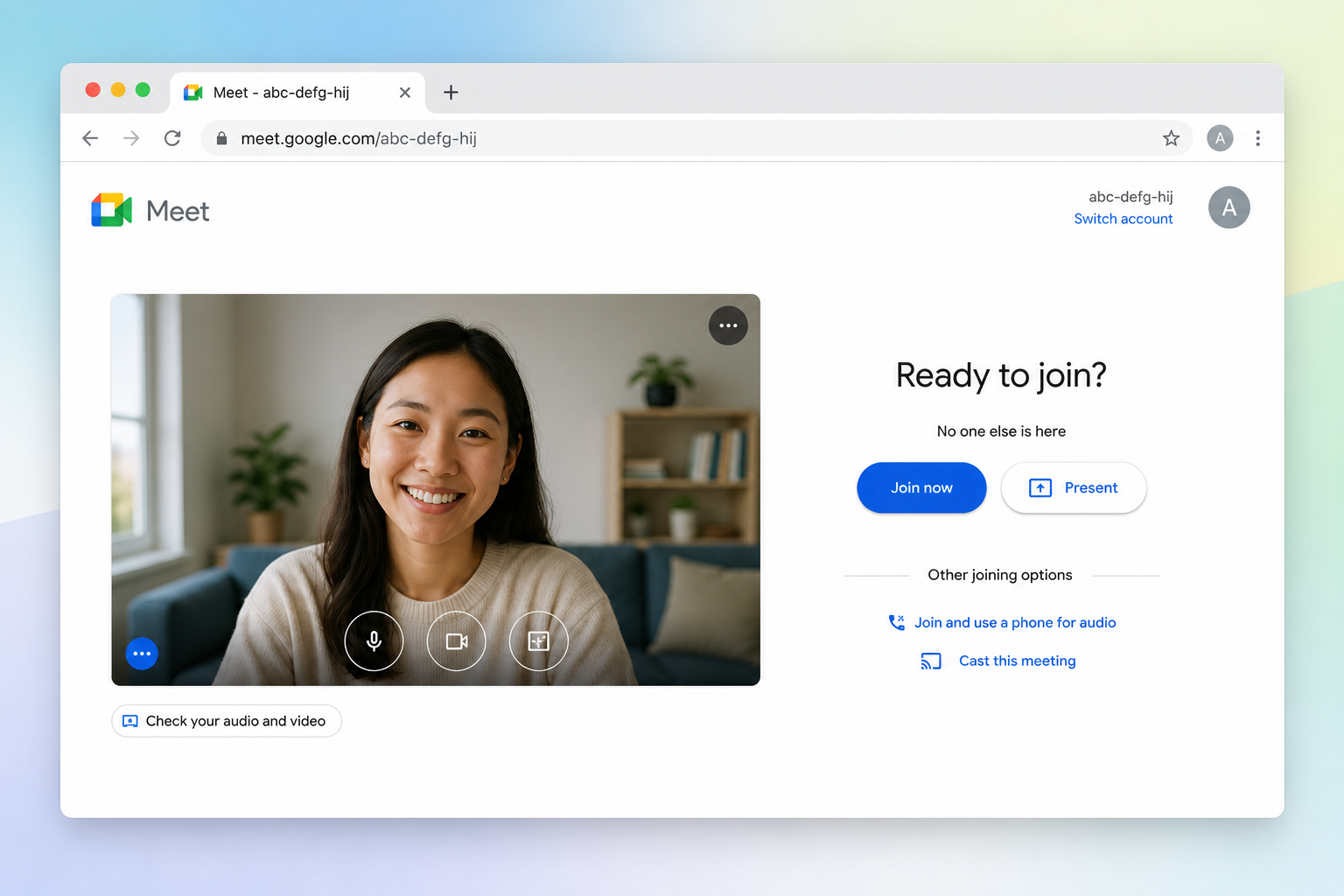
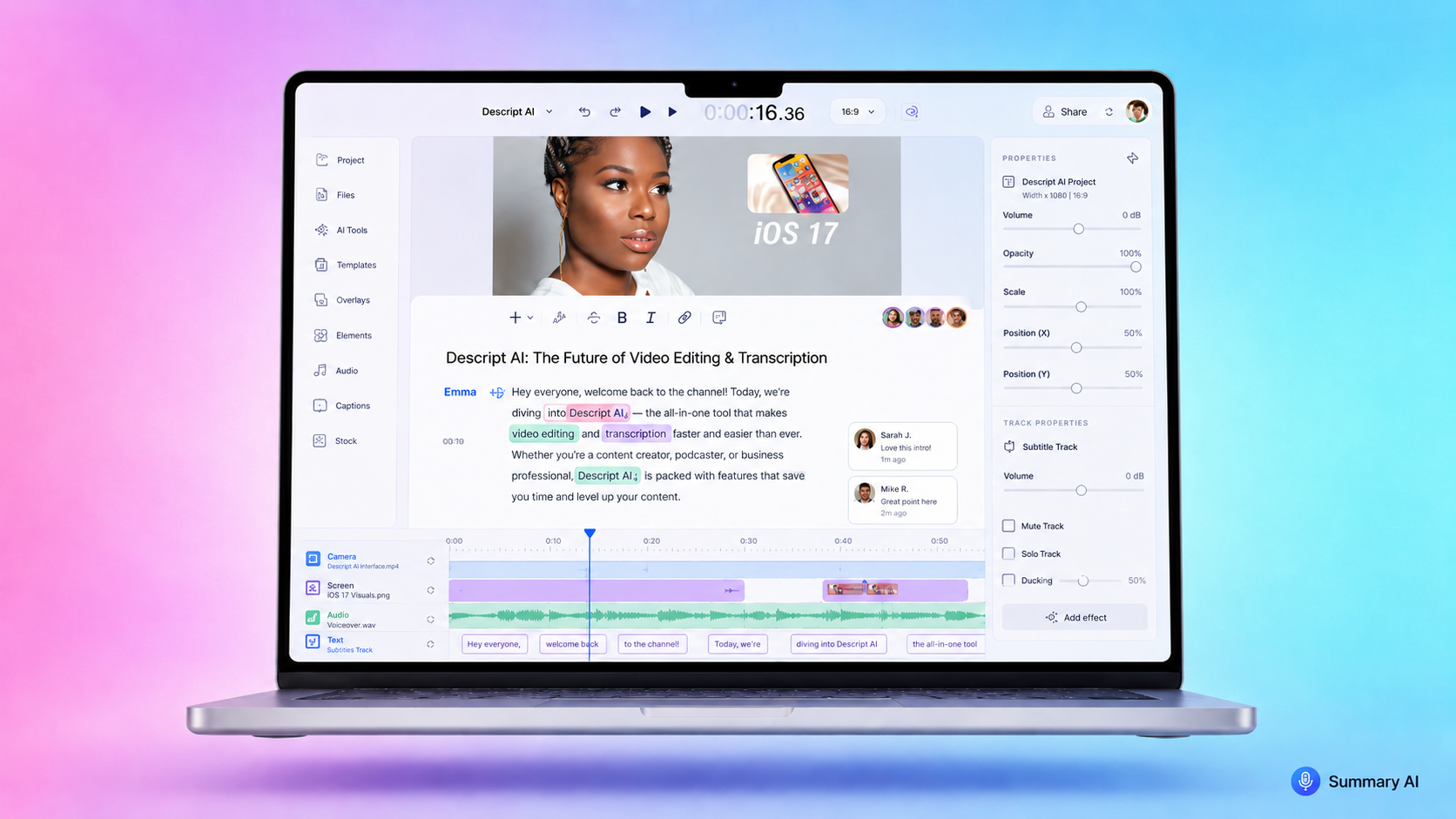
Some tools like Summary AI even provide extra features like summaries with highlights and action items, and transcripts that you can search and annotate. Summary AI can even translate meetings live, which makes working together with an international team very easy, even if you don’t speak each others language.
Instead of manually transcribing in one tool, translating in another, and then summarizing in a third, you can handle everything in one workflow with Summary AI.
When Google Translate works best for audio
Google Translate is still very useful in some situations. It is just useful in a different way than tools that are designed specifically for translating audio.
It works best when:
- The audio is short and simple.
- You are speaking in a live situation into the microphone.
- You only need a quick translation, not a detailed, edited transcript that you can download.
- You want a free, easy‑to‑use tool.
For long recordings like meeting calls or full podcast episodes, using Google Translate is usually not enough. In those cases, you need to combine transcription and translation tools or use a app like Summary AI where the two are combined.

Limitations of translating MP3 files with Google Translate
When you try to use Google Translate for MP3 audio, you will run into a few clear limits:
- Can’t upload MP3
- Not made for long recordings
- Works “only” with perfect recording quality
- No way to edit transcripts
- Can’t download translated audio
Translate your meetings live with Summary AI
Although Google Translate is not the tool for translating MP3 files directly, it still has some features you can take advantage of. However, if you work with audio often and need to translate recording regularly, you should give Summary AI a try.
Let Summary AI join your meetings, translate meetings live, create a transcript, summarize it with action items, and more.
Summary AI can make things much easier so you spend less time typing, copying, and pasting and more time communicating clearly with your team.